

Unlock the secrets to preserving your treasured vinyl collection with our ultimate guide to proper record storage. Dive into a world where nostalgia meets modern preservation techniques, ensuring your records stand the test of time.
From safeguarding against dreaded scratches and warps to preserving the integrity of album artwork, we’ve got you covered. Say goodbye to the heartache of damaged records and embark on a journey to preserve your musical treasures like a true connoisseur. Get ready to discover the art of record storage and elevate your vinyl experience to new heights!
But one thing that’s for sure is that you can prevent damages from getting to your vinyl records. The best way to do so is to ensure proper storage. Preserving your vinyl records for generations to come involves proper care because they’re very fragile. You must ensure proper protection while in storage. Storing vinyl also means keeping them clean, protecting them from weather damage, and handling them properly. Dust, moisture, and high temperatures are the biggest enemies of your vinyl records in storage.
If you’ve just started your vinyl collection and are thinking of providing them with perfect storage, we have the important tips you should follow here. Read below to get a complete guide on how to store your vinyl records.
Clean Your Records before Storage
Proper cleaning of your vinyl record is the first and foremost tip that you must understand. Proper cleaning doesn’t mean you use your t-shirt to wipe your records. No matter how soft the fabrics of your t-shirts are, they can still cause scratches to your vinyl records.
Many vinyl records come with a record cleaning brush that you can use easily. You can purchase these brushes online or at various local music stores. The brushes are the most effective and safe tools you can use to remove dirt and dust from your vinyl records. They’re also easy to use for cleaning as you have to hold the brush and spin slowly.
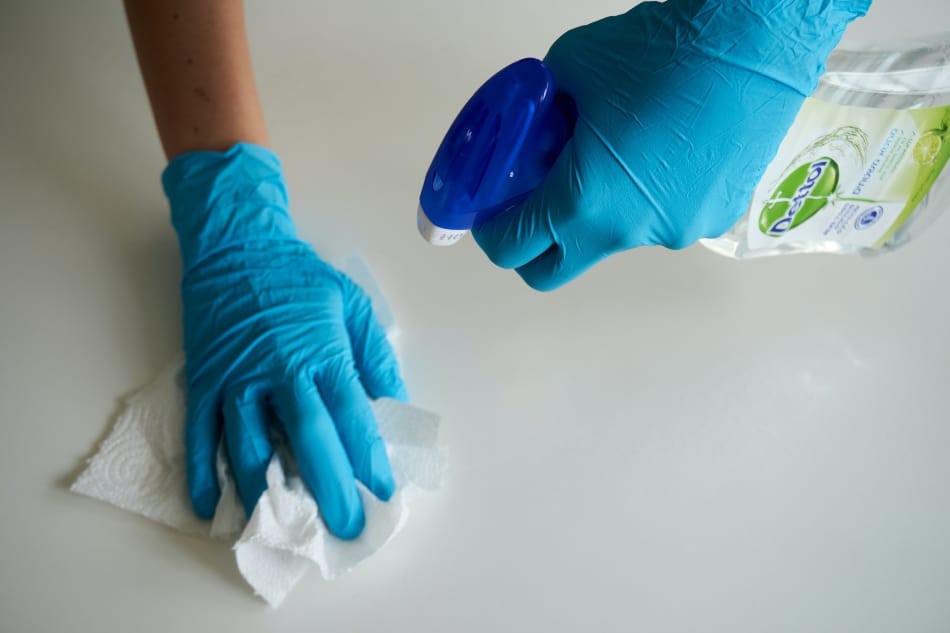
What if your records are very dirty and need a thorough cleaning? There are also ways to thoroughly clean your vinyl records without causing them any damage. To do this, first, start by purchasing a vinyl cleaning solution.
To use the solution for cleaning your vinyl records, you just have to spray it onto your records’ surfaces. While spraying, try to avoid the record label because the solution is mostly liquid and can soak off the labeling. After spraying, use a microfiber cloth to clean the records in a circular motion. If you do this cleaning method every six months, your vinyl records will always be in perfect shape and play as smoothly as possible.
Reduce Static
If you’ve listened to a vinyl record before, you perfectly understand that annoying sound of scratch or static. As soon as you start hearing such sounds, you should know that your favorite recording is saying goodbye. And since you don’t want to deal with such heartbreaks, you have to prevent that from happening.
Vinyl records are like a magnet that attracts dust and debris. The dust then causes a static charge while they’re turning. That annoying drag on the metal surface that produces the scratch sound is what’s called static force. That unwanted static noise will reduce the quality of sound coming from your vinyl record. But you can solve that problem by storing your vinyl records safely and preventing any dust buildup.

But dust buildup can still gather in your records outside storage. To prevent this, always ensure you keep the turntable covered so that no dust goes to the record’s surface. Once you’re done playing, use an antistatic brush or anti-static wipe to clear off all the dust from your records.
Before placing your vinyl records back to the inner sleeve, wipe well with an antistatic wipe or brush to disperse the static charge on the records. When you do this correctly, you won’t have to deal with any static charge issues.
Handling Vinyl Records for Storage
How you handle your vinyl records before putting them away in storage matters a lot. When handling the records, make sure the oils from your hands don’t get into contact with them. If the oil gets into the records, they’ll begin to trap dust and dirt. It will be hard for you to clean your records with too much debris. The dirt will also provide a breeding ground for mold, making the vinyl records produce some noise when playing.
Whether you’re handling your records to put them in storage or playing, always make sure your hands are clean and dry. You can also buy finger cots to use specifically for handling your records. The cots give your fingers extra grip to ensure you don’t hold them with your entire palm. This also ensures that the dirt and oil from your hands don’t smear on the records’ surface.
The proper way to hold your vinyl records is around the edges and the centre, whether you’re using the finger cots or not. Keep your fingers as much as possible from the groove. Well, holding like this when cleaning is not easy, but finger cots can help make it possible.
Choose the Right Storage Container
The container you’re going to use to hold your vinyl records before putting them in storage also matters. Record cases or crates are usually the best container options for your vinyl record storage. If you don’t have enough money for the crates or the cases, wine crates can also work for you. You can also choose those small cardboard boxes usually used for moving.

Some records come in different sizes, including 12-inch and 7-inch. Sort your vinyl records according to size and keep them separately in storage boxes designed explicitly for them.
Here are other storage options perfect for your precious vinyl collection.
Use Vinyl Bags
Vinyl bags can be your next ideal storage option for your records. You must understand that the sleeves only protect vinyl 90% and can still expose the side to the damaging effects.
The use of vinyl bags provides a permanent solution to this problem. The bags come with a sealable fold at the top to ensure the content insider is airtight. The bags fill in that extra 10% protection sleeves don’t offer. The sleeves are only perfect for everyday vinyl records collection storage and not long term use. On the other hand, bags provide the ideal housing for your vinyl records for long term storage.
Album Jackets
Apart from the vinyl bags, you can also safely store your vinyl records in their album jackets. The records should always be in these album jackets unless they’re being played. As soon as you’re done playing, you must ensure you return them to the jacket immediately. If you live them in the turntable longer, you’ll only be exposing them to dust and dirt, which can accumulate over time and cause damage. Dust and dirt are also the biggest enemies of the sound quality of your precious vinyl records.
The Record Sleeves Matter
The vinyl sleeves are perfect if you want to give your vinyl records additional protection. They ensure your records are free from all kinds of debris, dust, and dirt that may cause damage. However, don’t forget that these sleeves also get damaged over time. The sleeves may also become mildew-infested, and the best thing to do in such a situation is to consider a replacement.
Record sleeves come in two different kinds, including outer and inner sleeves. When it comes to the storage of your vinyl records, all these are equally important.
Outer Sleeves
The outer sleeves are made to protect the cardboard album cover. The outer sleeves come in thick plastic that perfectly protect the album covers from stains and scratches. You can purchase archival-quality acid-free outer sleeves because they come with up to 3 millimeters of thickness to provide perfect protection.
Inner Sleeves
The inner sleeves of your vinyl records are made to protect the vinyl itself and not the album cover. These sleeves are made using traditional paper, but there are the latest lightweight plastic sleeves made of polyethene in the market. If your traditional paper inner sleeves are old and worn, consider replacing them with plastic ones. You can also go for a dual-layer inner sleeve that features plastic outside and paper inside to provide excellent protection for your vinyl records.
Store Your Vinyl Records Upright
The best storage for your precious vinyl collection is the upright position. This position will always keep your records in good condition. If you store your records in a slant position for a long time, they’ll get warped. The uneven pressure that this storage provides causes damage to your records.
The easiest way to ensure that your records are always upright is the use of crates. There are also crate dividers that ensure all your records are even and upright all the time. You should never allow even a little slanting of your records while in storage.

If you have a small collection, you can still store your records upright. You must provide full support in the storage container, so you ensure they always remain upright. You can fill up the empty spaces using acid-free tissue paper.
When ensuring upright storage, don’t forget to leave space between that can give you an easy time removing your records from the crate or box. When you can remove your records easily, you’ll always ensure their safety.
Get Sturdy Shelving
If you’re going to store many vinyl records on your shelves, ensure the shelves can comfortably support the weight. The average shelf storage for vinyl records should be 35 pounds per shelf foot. If you pile your records too high or horizontally, all the weight will concentrate on the center, causing the shelving to collapse. You don’t want to experience the horror of seeing your precious records coming down like a pack of cards. That alone will instantly ruin your entire collection.
Thankfully, you can adopt a few tips to keep your shelf-stable and strong enough. Take a look at these;
- Buy metal, L-shaped brackets that you can slip under the corners to hold the shelving
- Use some labeled dividers. This will help keep the shelves balanced but also organize the vinyl records for easier picking.
- Don’t store different sizes of your vinyl records in one space. Group your records according to sizes and balance the shelves in the process.
Reduce Pressure
While in storage, you must always ensure that your record collections never have to endure any pressure. One way to avoid the pressure is to ensure you don’t stack them together. Stacking them can expose them to too much pressure that will end up causing permanent damage. The weight that comes from all the vinyl records stacked on top of each other causes warping, scuff marks, and even cracking. You’ll also be risking the artwork by stacking the records on top of each other.

Choose Where to Store Your Vinyl Records Collection
Now that you know what you can use to hold your vinyl, it’s time to understand the exact storage location. The type of environment you choose for storing your vinyl records will determine how they’ll grow. High humidity or constant temperature fluctuations can cause mold growth and prevent your records from playing properly. Areas with lots of sunlight are also not good as they can fade the sleeves or warp vinyl.
You must also keep away your records from the external wall. Cold external walls experience condensation, minimal air floor, and minimal light. With all these conditions present, you can’t escape mold growth. Molds can stain your sleeves and make them grow in record roves, and that means instant damage.
Here are things to watch out for when choosing storage for your vinyl records.
Consider the Temperatures
Avoid storing your vinyl records near a radiator window. These areas experience high temperatures over time, which can lead to the distortion of your vinyl records. There’s also UV radiation in sunlight, which causes fading and increases your vinyl records’ deterioration rate.

Avoid storage areas where temperatures fluctuate to more than 50+°F (10°C) in 24 hours. With these temperatures, your records will be vulnerable to warping. If you’re planning to store your records for a long time, keep the temperatures below 50°F (7 to 10°C).
For the low temperatures, you should rest easy because your records can withstand that perfectly. The vinyl suppliers changed the vinyl materials because they noticed that the previous ones could crack under cold temperatures. The current materials are softer, with a pliable texture that can withstand cold temperatures. Therefore, you don’t have to worry about the cold temperatures like you do with the heat.
Avoid the Garage
Well, other people ask whether it’s right to store vinyl records in the garage. The garage is the place where many people store most of their items, and it’s only natural that you’ll want to consider keeping your vinyl records there.

But you must understand that garages, sheds, and lofts aren’t perfect places for storing your vinyl records. These spaces have temperatures that fluctuate widely, and that will not be good for your records. The humid temperatures in the garage will cause stress to the vinyl records and the sleeve, causing them to swell and contract. So, unless you have a temperature control unit in the garage, never store your vinyl records there.
Keep Water Out
Your storage location should be dry enough and not subjected to any sources of leaks. You can get an inexpensive thermohygrometer to help you choose a perfect place for storing your vinyl records that’s free from leaks. The ideal relative humidity in your vinyl storage location should range between 35% and 40%. You can also control the humidity of your storage location using desiccants that absorb excess moisture and keep the RH stable.
Ensure Air Circulation
Another thing you wouldn’t want to miss in your storage space for vinyl records is air circulation. You should not store your vinyl records in a sealed and airtight container. This also goes for plastic bins or cardboard boxes that are completely taped up. If you seal your records with no air circulation, you’ll invite damaging micro-climate, and you won’t find it easy to monitor their conditions.
If you’re using mobile vinyl crates, be very careful with them. If you’re using them while moving your vinyl records, ensure you open the box or remove the records as soon as you reach your destination.

Whatever storage you choose for your vinyl records, you must ensure they don’t get accidentally damaged. The storage space is supposed to protect your records and not expose them to any harm.
Proper Vinyl Storage Matter
Perfect storage of your vinyl records will keep them in perfect condition, preserve them, and ensure they produce the ideal sound quality. If you follow the above storage guide keenly, you’ll always get your records to produce that golden sound 20 years later. You must also understand that it’s not all about vinyl storage. The lifespan of your vinyl records starts from how you clean and handle them. Proper handling and cleaning before storage are essential.